Vehicle communication
A correctly installed vehicle radio provides more stable PTT communication.

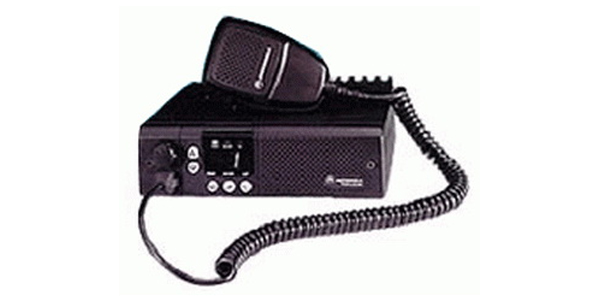
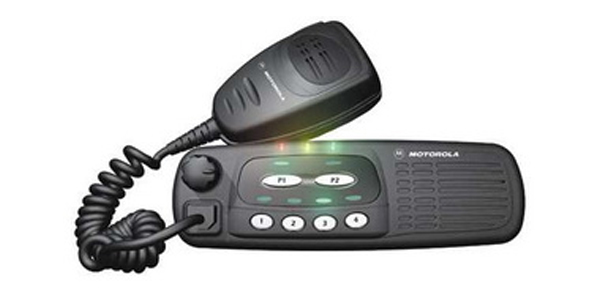
A classic professional mobile radio for vehicles, taxi/dispatch systems, service vehicles and fixed communication points. The GM300’s role in a system depends as much on correct installation as on the radio itself: power supply, microphone, coaxial feeder and antenna all matter.
A mobile radio can provide substantially more stable communication than a handheld when connected to a correctly installed external antenna. Poor cable, connectors, antenna choice or vehicle grounding can negate that advantage. For this reason, Radio Integral treats the radio and antenna system as one installation in mobile configurations. As a base point, the GM300 is used in a suitable fixed installation with stable power and a base antenna.
Specifications alone do not determine whether a model is right for a project. They must be considered together with the RF environment, user role, audio accessories, batteries and compatibility with the rest of the system.
Technical and programming details for older platforms are confirmed against the actual device and available service/rental documentation before handover.
Features are not enabled simply because they appear in a catalogue. They are used only when they suit the operating scenario and are supported by the exact device variant and the rest of the system.
A correctly installed vehicle radio provides more stable PTT communication.
In a suitable configuration, the radio can serve as a base point for coordinating mobile users.
Channels and analogue signalling are configured for the network and frequency variant.
System performance depends on correct antenna type, placement and matching.
A mobile installation requires stable power and correctly routed wiring.
The user radio can operate in a simplex or repeater-based analogue system according to its programming configuration.
Batteries, charging, audio accessories, antennas and carrying method are selected according to shift duration, noise level, discretion, protective equipment and user role. Compatibility is confirmed for the actual device.
Microphone and PTT control for the driver or dispatcher.
The installation must match the vehicle electrical system or base-station power supply.
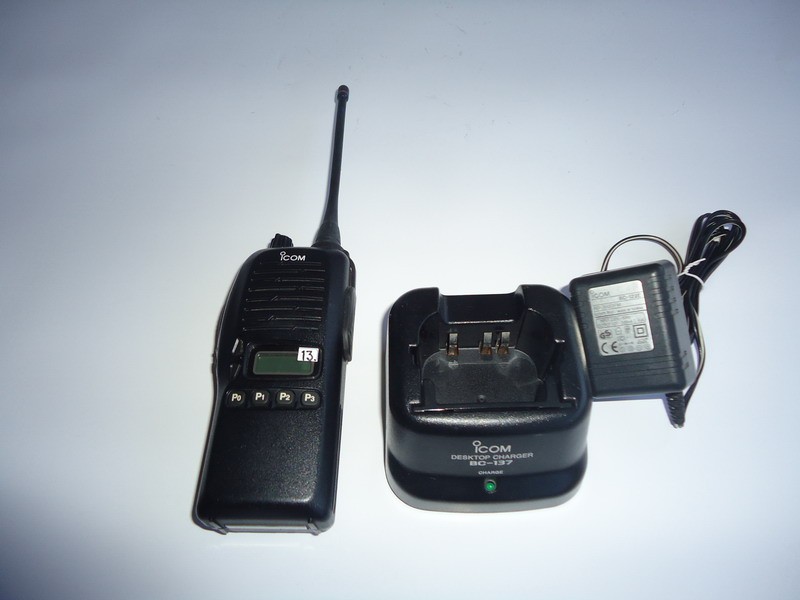
The antenna is selected for the frequency band and mounting method.
At a fixed point, antenna location, height and feeder directly affect coverage.
Cable quality and length affect loss between the radio and antenna.
The mechanical installation must allow safe and practical operation.
For predictable operation, the programming profile, audio accessories, battery and RF infrastructure must all follow the same system plan.
The examples below are not limitations of the model; they are common scenarios where its characteristics and accessories are a practical fit within a rental system.
Mobile radios in vehicles and a base/dispatch point.
Company fleets and field teams.
Base communication in a business or technical facility.
A mobile user radio in a properly programmed network.
The model, accessories and infrastructure must match the site, operating method and programming plan for the specific project.
Provide the location, dates, number of users, zones and shifts. Before handover, we confirm the exact variant, compatible accessories, programming profile and functional condition of the complete set.